
I am always fascinated with compact cameras especially if they offer lots of controls. Most compact cameras (film or digital), usually minimize functions or controls in favor of size – Half frame, no viewfinder, zone focus, aperture/shutter priority, or full auto exposure only. All those cameras are good, but when it comes to film cameras, I want the full experience. So here comes the Ricoh 500G.
The Ricoh 500G is a compact rangefinder film camera that is fully mechanical. It has full manual control over the aperture, shutter speed, and ISO (ASA) but it also does offer aperture priority. The camera doesn’t need batteries to operate although you’ll need one if you want to use the internal light meter and shutter priority. I have used compact rangefinders before like the Konica C35 Flashmatic and the Ricoh 35 ZF, both of which don’t offer full manual controls. Hence, I sold both of those and replaced it with the Ricoh 500G.
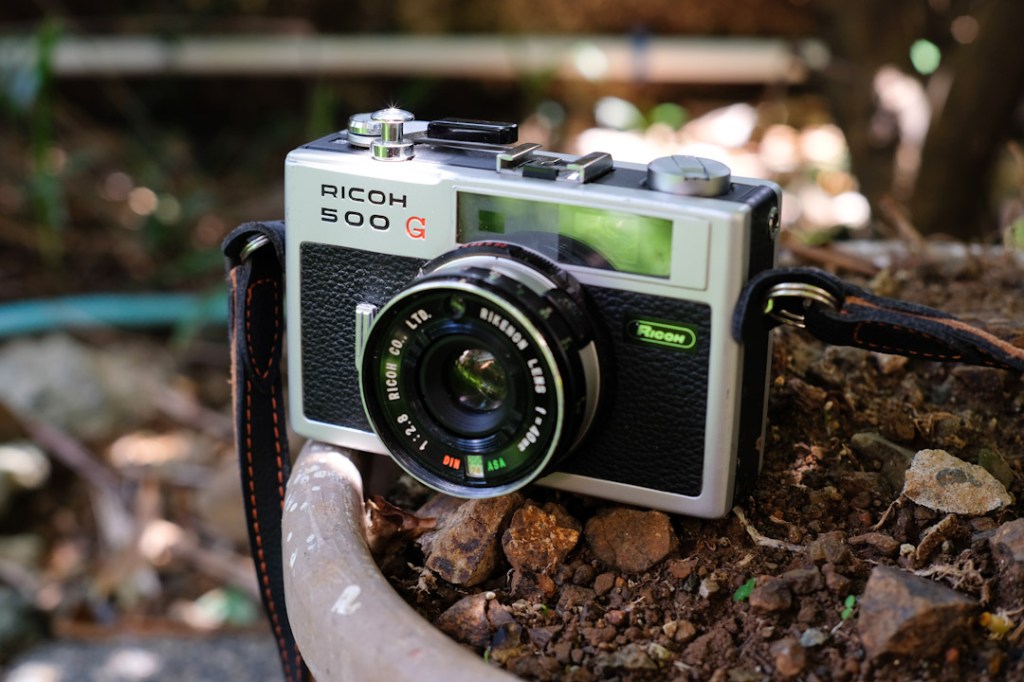
The Ricoh 500G has a simple (yet gorgeous) design as well as function. I find the silver version more appealing as it looks more retro than the black version, although the black version demands a higher price. On the heart of the camera, or should I say the eye, is a Rikenon 40mm f2.8 prime lens. Except for being compact, there is nothing really special about this lens as it is a standard 40mm f2.8 lens typically found on compact rangefinders, though it does render nice images. Focusing with the lens is smooth and dampened with a short throw that makes focusing from 0.9 meters to infinity quick. I usually just zone focus and use a narrow aperture so I have a deep depth of field.
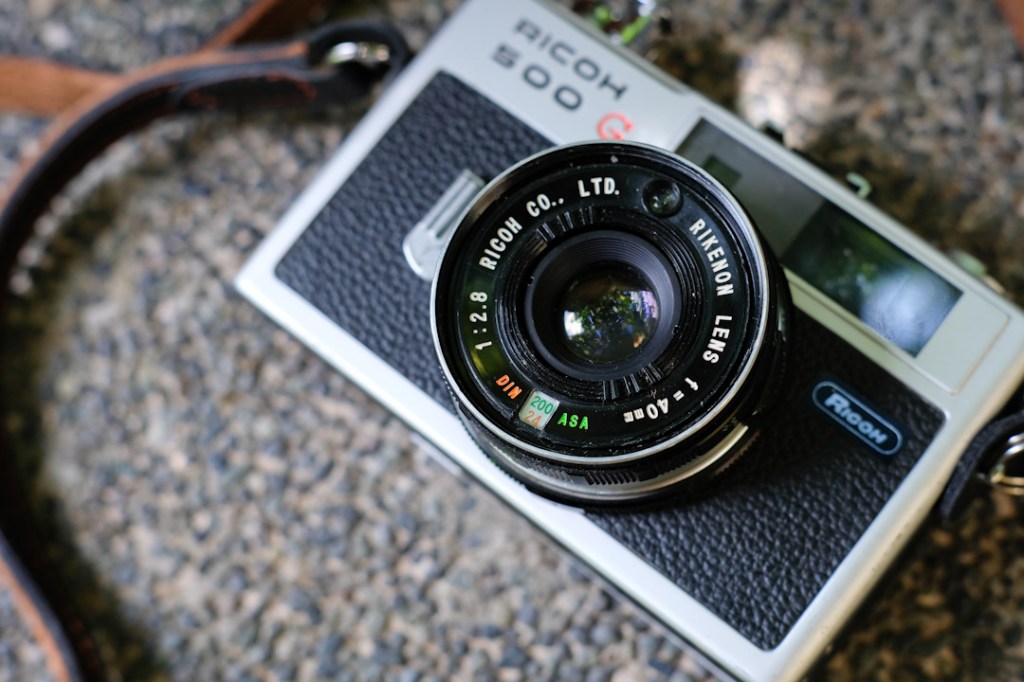
What I like most about this camera is that the aperture, shutter, focus, and ISO (ASA) controls are all located in the lens. Having all the settings close together makes adjustments easier and can be done by just using one hand. However, since the lens is compact, some may find the controls to be a little cramped and a bit tricky to adjust especially the aperture ring. I don’t find it tricky, but I can imagine why that would be the case for others.
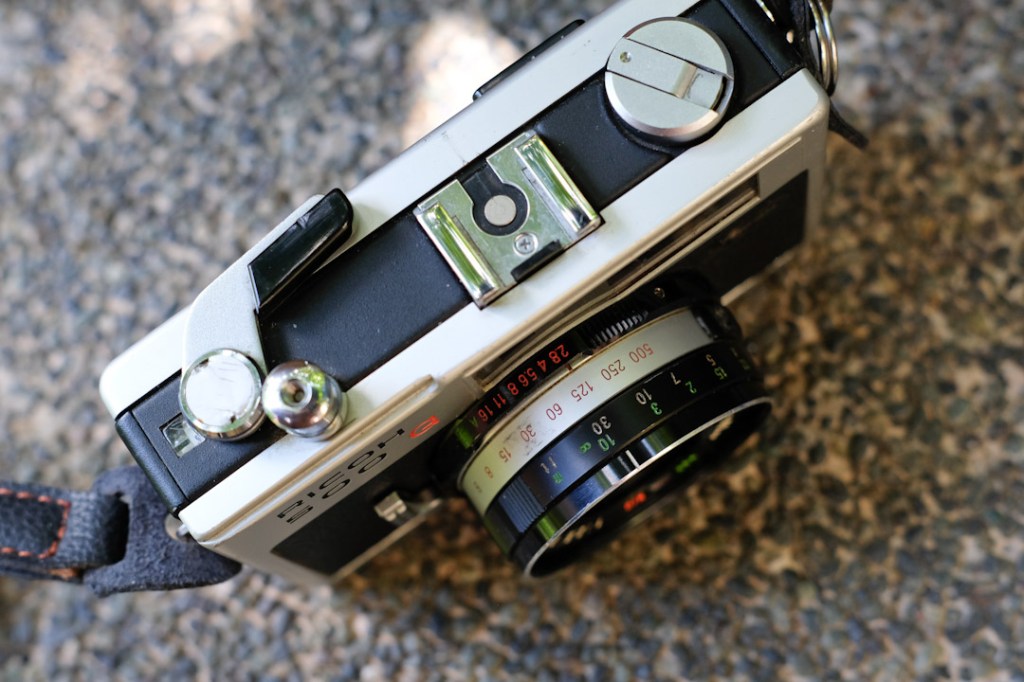
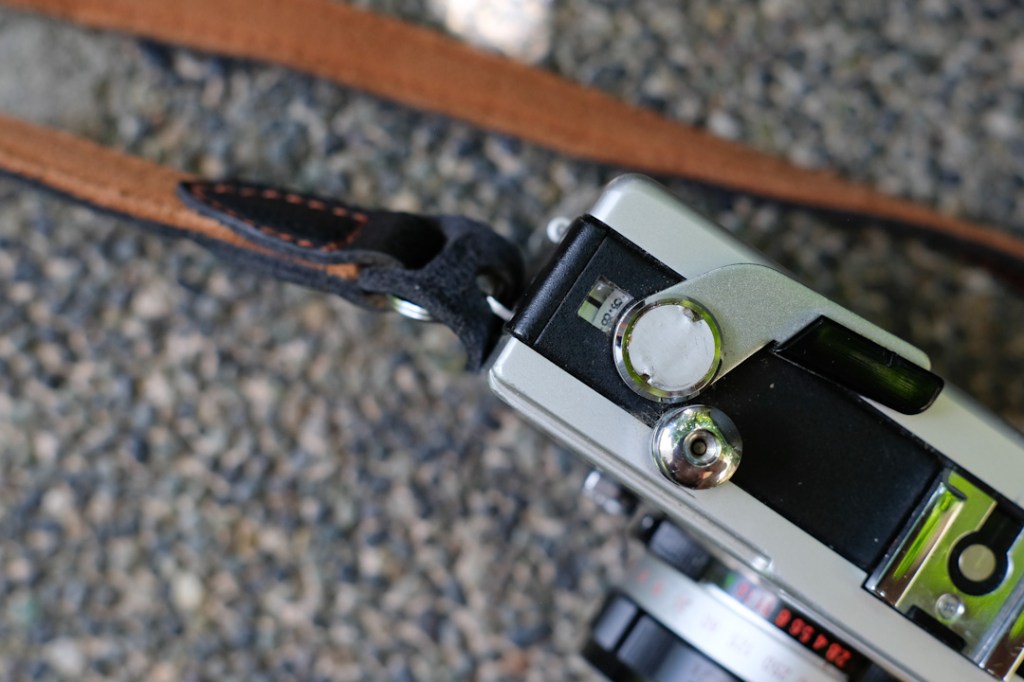
On top of the camera is the film counter, advance lever, threaded shutter button, flash hot shoe, and the rewind knob which also serves as the lever you pull to open the film door. At the side is a flash sync port and at the back is the viewfinder. I don’t find the viewfinder limiting despite its size and the frame lines and focus patch are bright. I just wished the focus patch was the usual rectangle and not a diamond shape. Despite that, I don’t really have any complains about this camera.
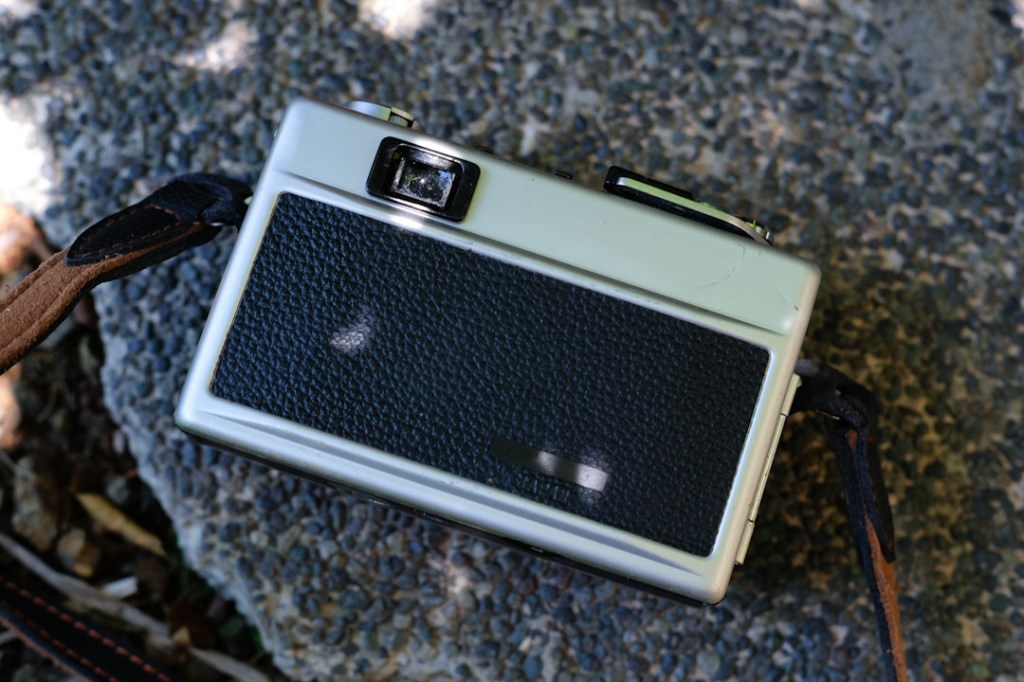
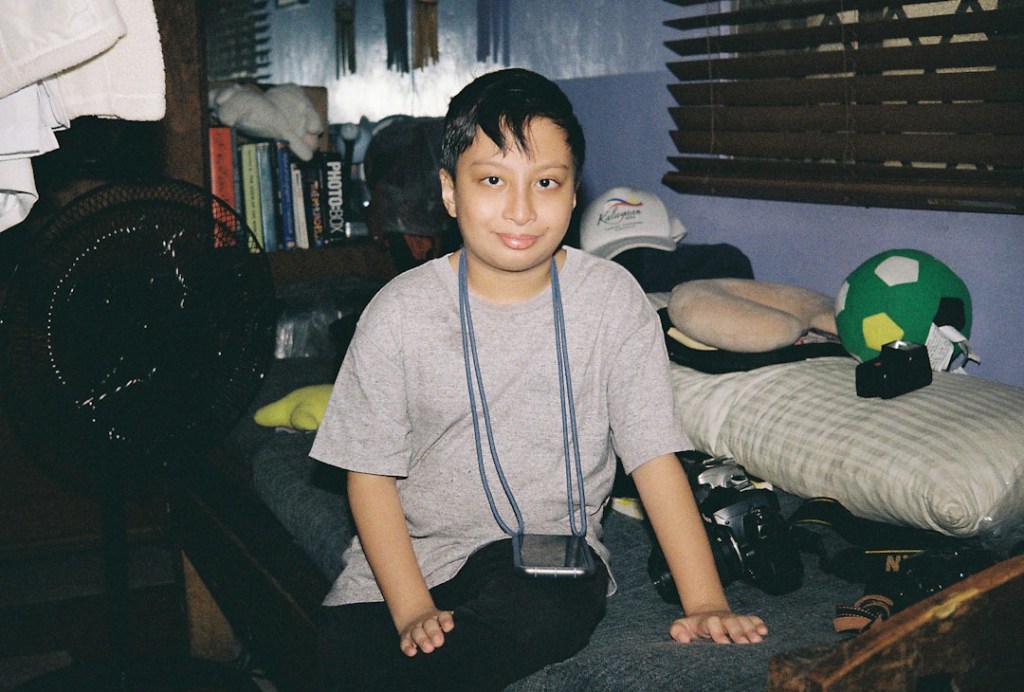
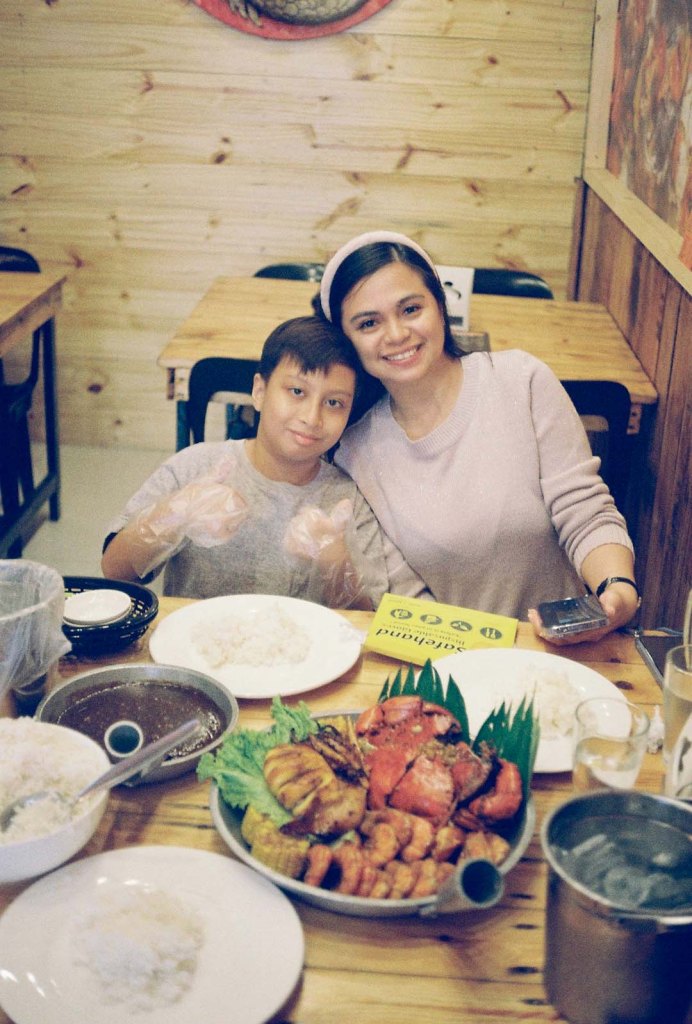
The repairability of this camera seems to be simple enough as well – one of the main reasons why I chose fully mechanical film cameras when buying. My copy has an issue with selecting the 1/500th shutter and all of a sudden the shutter also intermittently would not open. Luckily, with the help of YouTube, camera repair forums and groups, I was able to open up the camera and fix it. Below are some photos from my test roll using a Fujifilm 200 film.

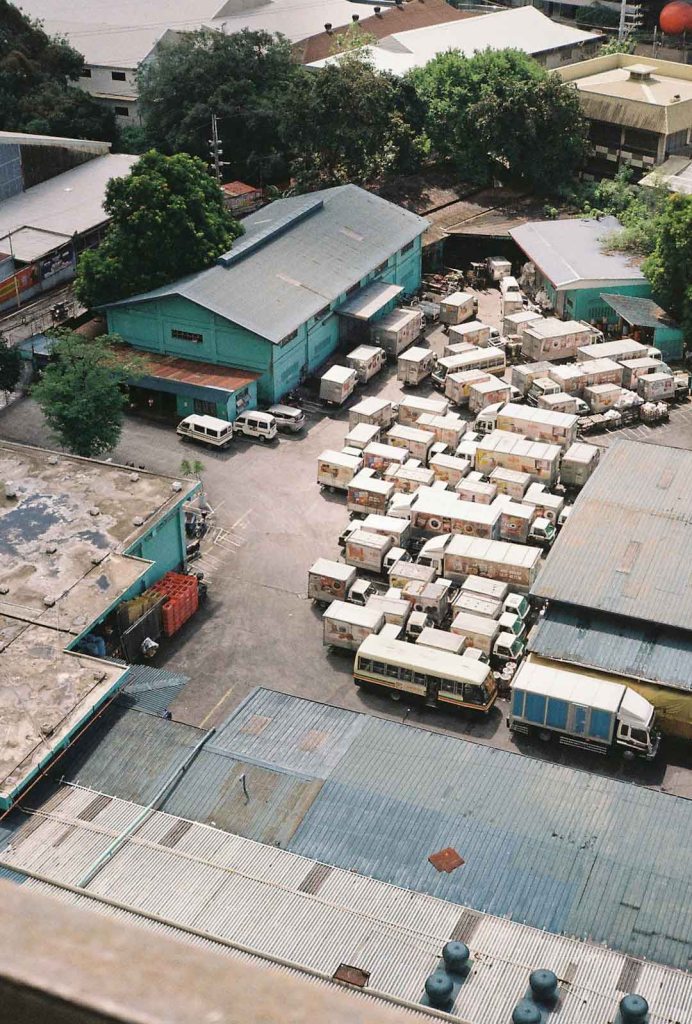
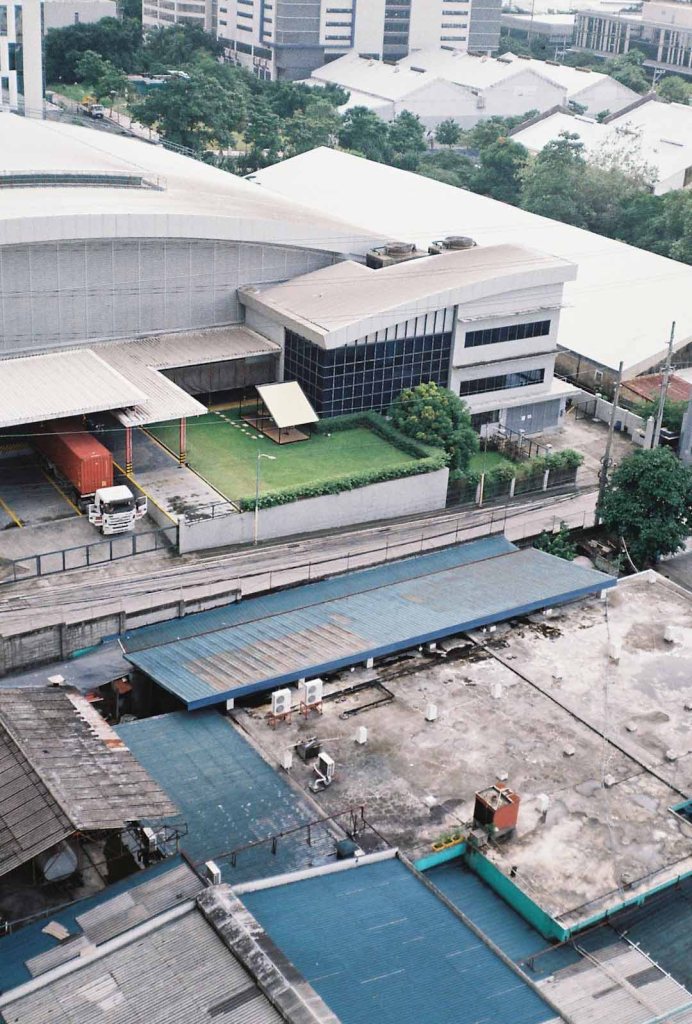

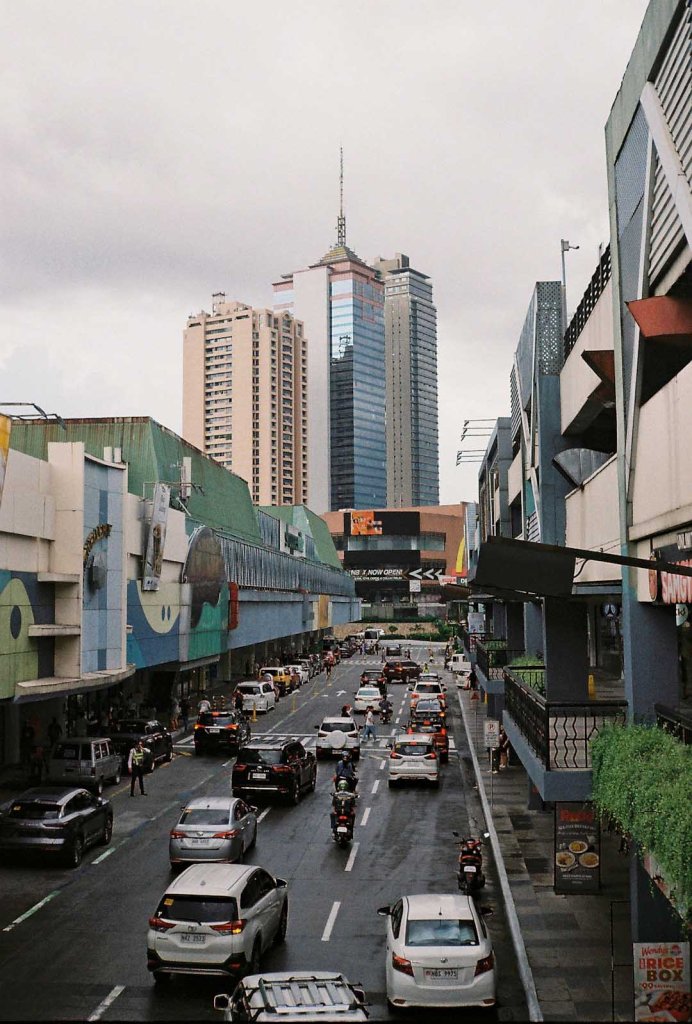
I must say I did enjoy using this camera a lot. I was also able to minimize my shyness when shooting in the streets since the camera was so small and quiet that nobody noticed that I was even taking photos. The 40mm focal length also felt familiar to me since it’s almost the equivalent focal to my digital Fujifilm X100s.


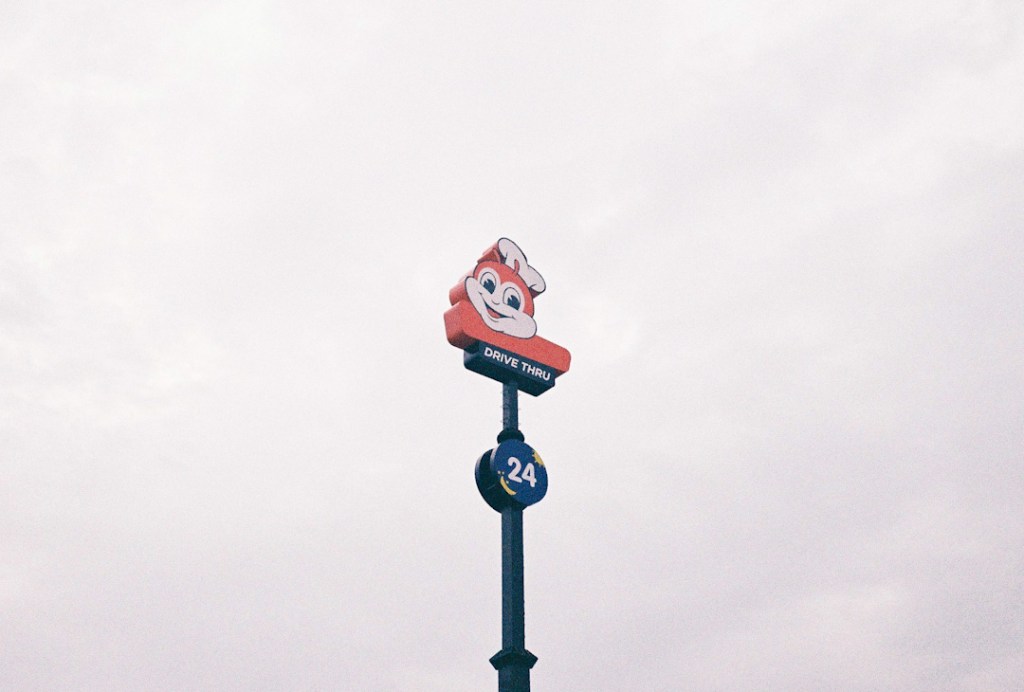
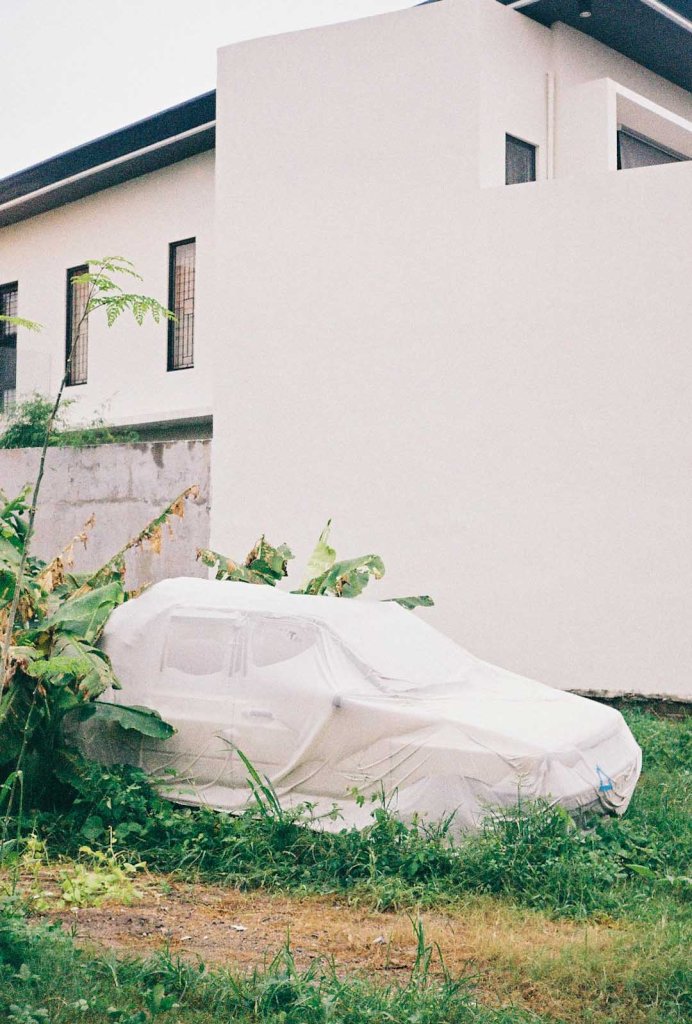
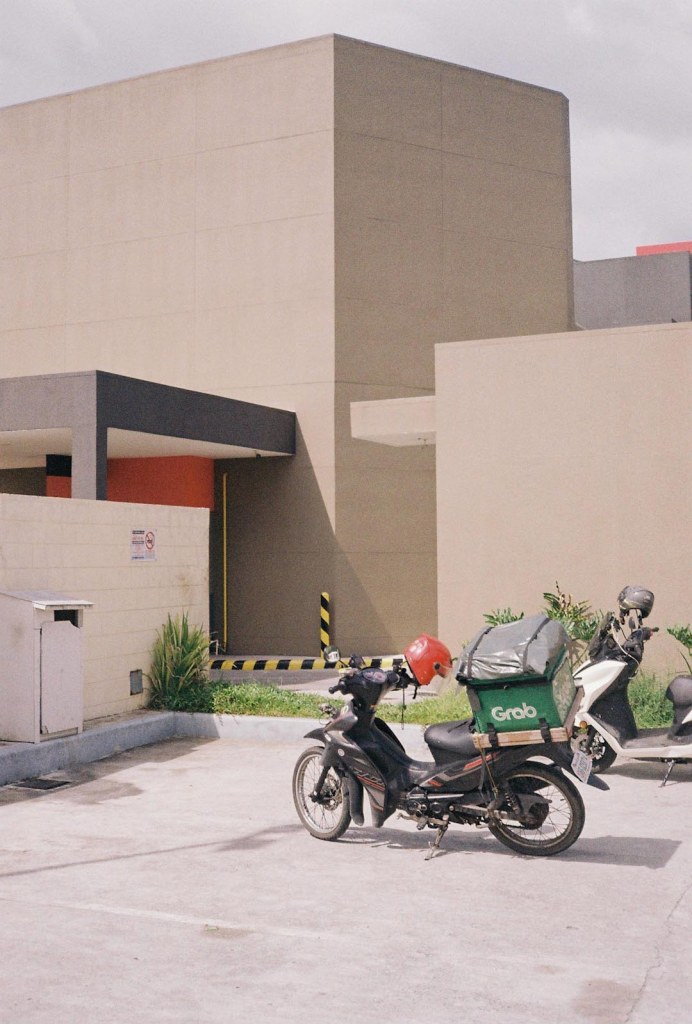

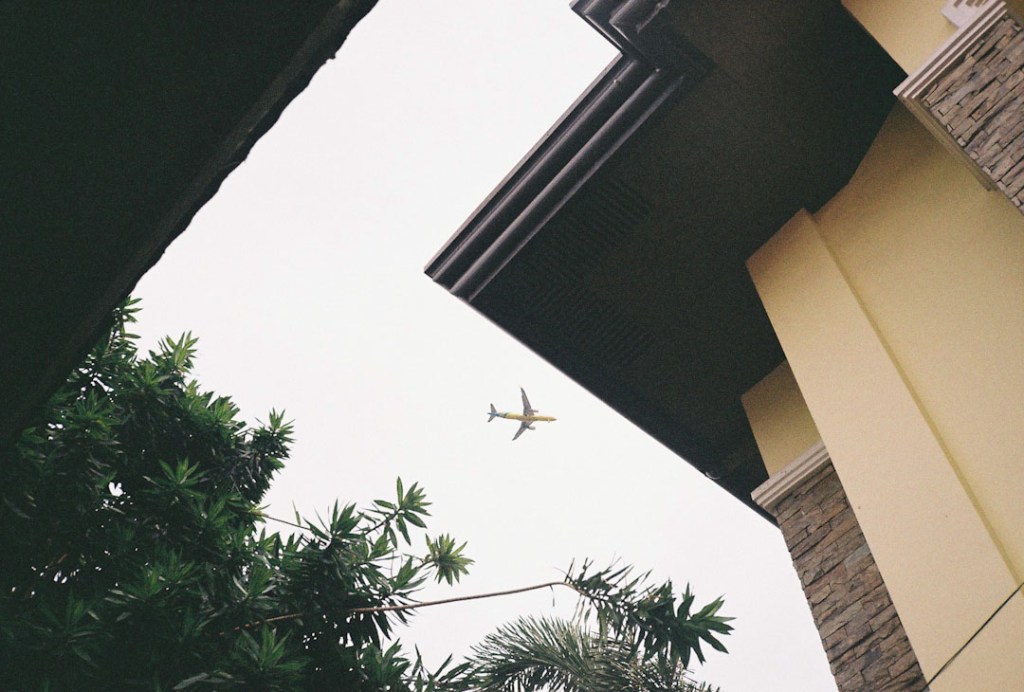
Being my new everyday carry film camera, I was able and will continue to bring and use the Ricoh 500G to capture every memory I can.




So there you have it, if you are looking for a compact camera with full manual control that doesn’t break the bank then the Ricoh 500G might be the perfect camera for you. There are a lot of compact rangefinder options out there but being not as popular as the other models the Ricoh 500G is the best bang for the buck option in my opinion. 🙂


 King
King 
I got one for my dad many years ago when he went to Hawaii. Nice features but build quality was just adequate. Nowhere near as good as his old Ricoh 519 but it was more compact and had a meter.
LikeLike
I was given one of these by a coworker in 2025, with manual. I have to clean it up and run some film through it. I know there will be light leaks, so those will have to be sorted. And there other cosmetic issues that will have to be dealt with. I look forward to playing with it. Thanks for the post.
LikeLike