
Let’s get one thing clear first, I don’t shoot film exclusively. That would be unreasonably expensive for me at the moment. Although I do find shooting more and more films recently, often side by side with my digital cameras. Both mediums basically do the same thing – take photos. Digital is cheaper in the long run, easier to use, and takes “better” photos. So why do I still shoot film?
Nostalgia

I vividly remember during childhood my father would always take photos of us during trips or on special occasions. We still have bunch and bunch of photobooks at home filled with memories of our childhood. Yes, physical photobooks with actual printed photos. Those photobooks do bring back a lot of happy thoughts and wonderful feelings. But the nostalgia of shooting film does not just come from those memories, film has that certain look that no digital camera (nor edit) can replicate. If I’m being ambitious, I believe we’ve already invented a time machine – and that is film.
The excitement of not knowing
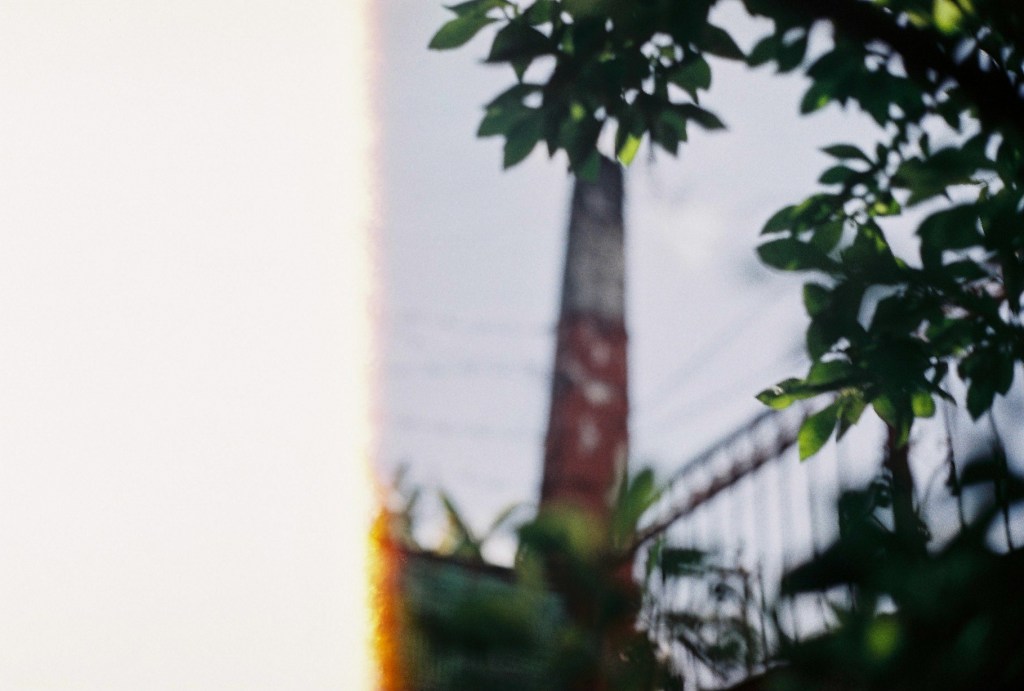
If there is one thing that differs more between shooting film and digital, it is the not knowing. Digital is instant, you take the photo and you see it instantly on your camera’s LCD or on a computer. Most if not all digital cameras often show you the exposure even before you take the photo. Film couldn’t be more the opposite, from getting the exposure right to not knowing if you even have any usable photos because of light leaks or improperly loading the film. And all that can just be certain after you’ve got your film developed. A lot can go wrong when shooting film, but nothing can replace the excitement of the not knowing. It’s like Christmas all over again every time you finish a roll and have it developed.
It slows me down
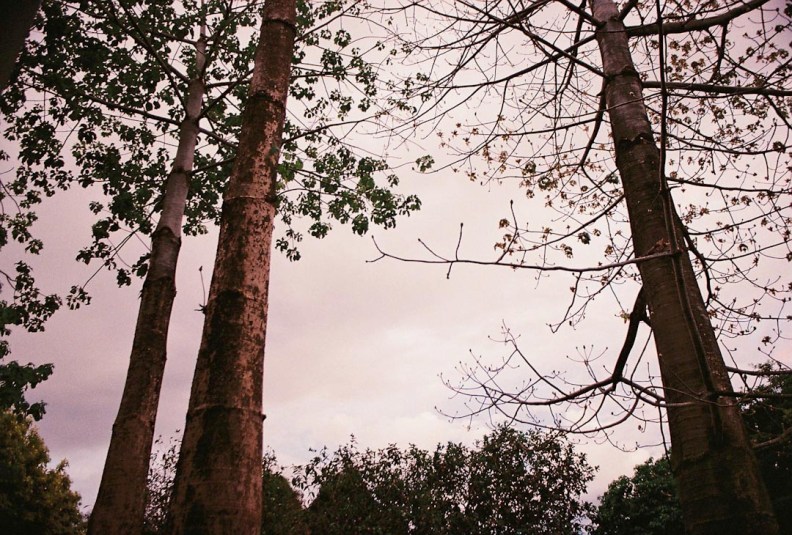
Shooting film is a slow process. The need to develop and scan after taking your photos adds to the time it takes before you even see any of your photographs. Additionally, if you’re using an all mechanical camera, that process can be even slower. The moment you load a film up to having your negatives scanned takes time. But this process makes every shot purposeful (or at least you try harder), after all you only have 36 shots to make it right. Very much the opposite of digital where you can take hundreds upon hundreds of photos within a few minutes without having to worry about the limitions film photography has. There is nothing wrong with the hundreds of photos by the way, technology is here for us to take advantage of. But in a world where everything moves fast, slowing down is a luxury and something we should do once in a while.
Film cameras
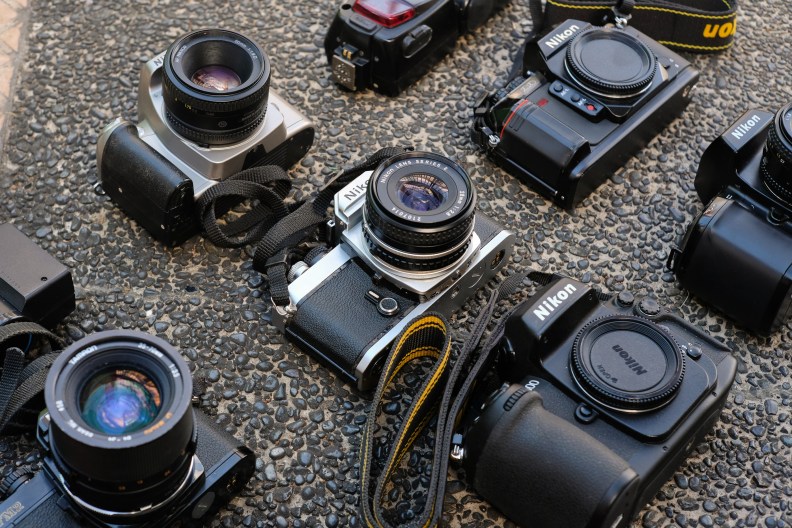
I’ll be a hypocrite if I tell you gear doesn’t matter. It’s not everything and it doesn’t always make your photos better but they do matter. This is more true when it comes to digital cameras especially if you are using them professionally. On film cameras, this is slightly different. For me, you are buying film cameras for the experience more than the technology. Also, film cameras are “cheaper” than digital cameras so there is more room to try and experience different cameras. You’ll also be surprised at how film cameras hold their value vs digital cameras. Film cameras especially the higher models will outlast any digital cameras. Another thing is collectibility, film cameras are undoubtedly beautiful and hold a rich history, plus there are a lot of different models to choose from. To keep it simple, others collect toys, antiques, and other memorabilia, I chose to collect film cameras.
The purity of the medium
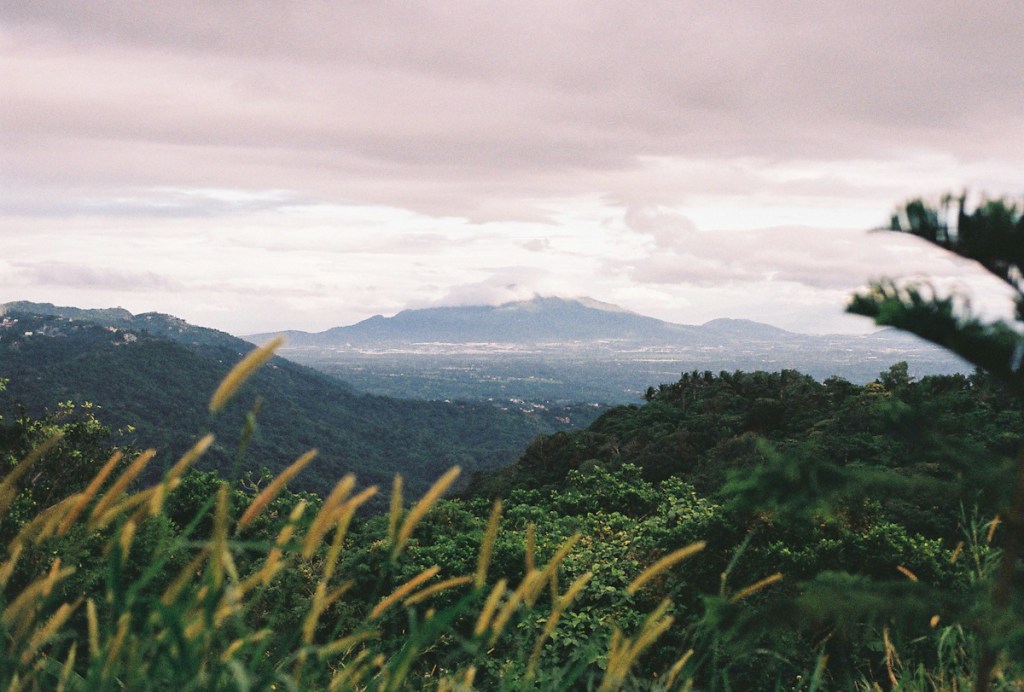
It might just be me, but I’ve always found film photography pure in its form. No unnecessary simulations, edits, and image processing needs. It’s just your camera, lens, film, and a shutter in between to capture an image. Most film cameras don’t even need power to operate. Film photography makes you worry less about the gazillion specs a modern camera offers, it eliminates the tendency to overthink your gear and makes you think about what is more important – how to maximize the tools you have to create beautiful images.


 King
King 