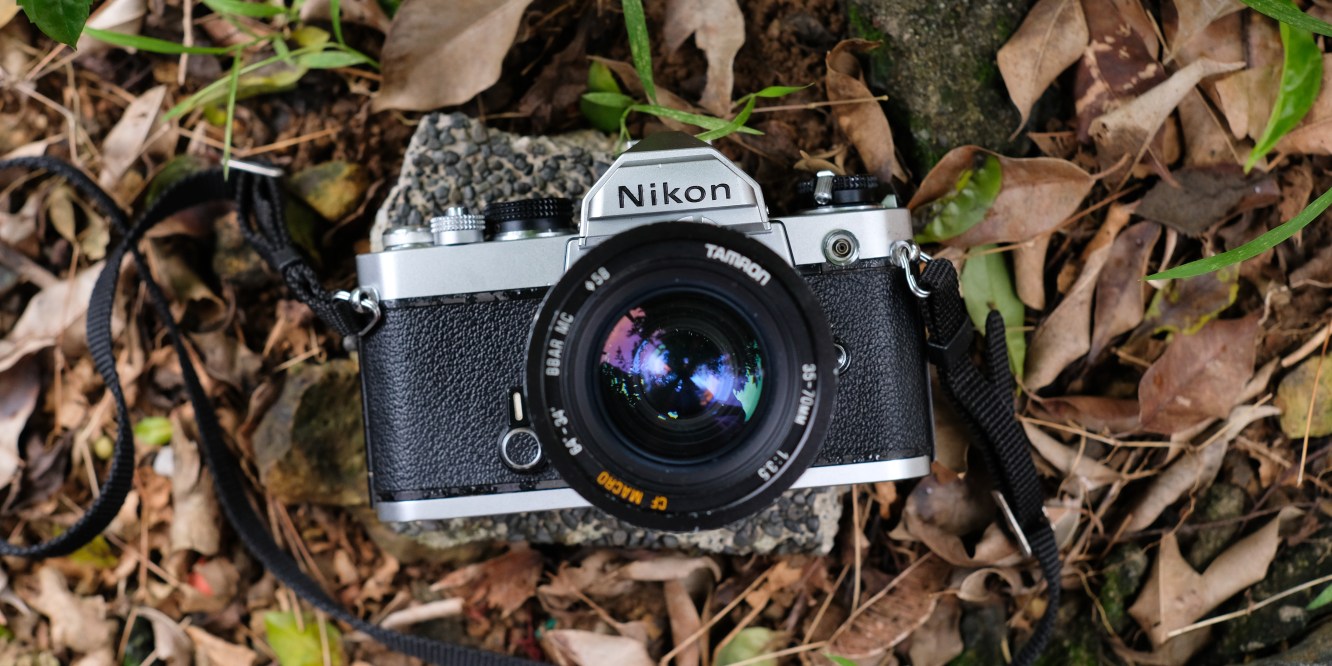
The Nikon F/FM line of SLR film camera has always been one of my dream cameras to own. Fully mechanical and doesn’t need battery to operate, the Nikon FM is known for its build, realibilty and of course one of the better looking film SLR ever made. The Nikon FM is a slim down “compact” and affordable version of the Nikon F – perfect for my small hands and tight pockets. If you’ve read my previous blogs, I’ve been collecting film cameras lately but only buying them when cheap. Luckily, I was able to purchase mine at a bargain price albeit without a functioning light meter. I usually don’t use the internal lightmeter anyway so it is not really a big deal. Also, purchasing a fully mechanical camera without a functioning light meter can save you a few bucks. You can read my blog here on how to buy film cameras.
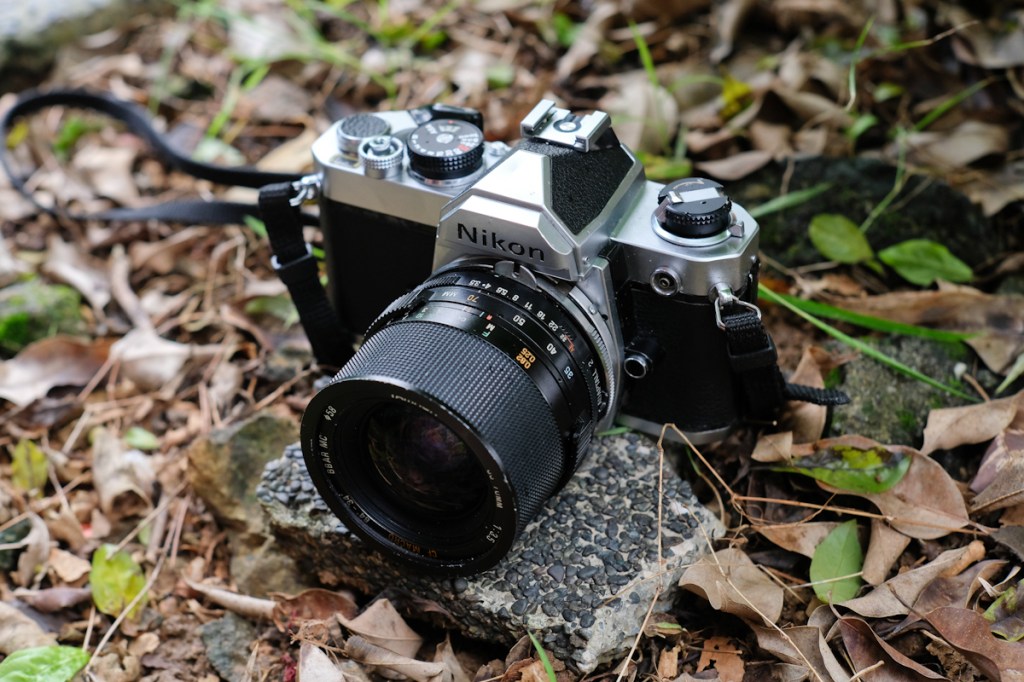


The first thing I noticed when I got a hold of the Nikon FM is that it is noticebly heavier than my Yashica FX-3 super SLR. And it should be, because the Nikon FM is built mostly out of metal. Everything in this camera feels robust and premium worthy of it being a semi-pro/pro camera during its time. Another reason that I wanted this camera is because of the F-mount. If you aren’t familiar, the Nikon F-mount is well known for its compatiblity, you can use vintage ai-s lenses on this camera as well as modern Nikon autofocus lenses (D lenses). Ofcourse, without the autofocus.
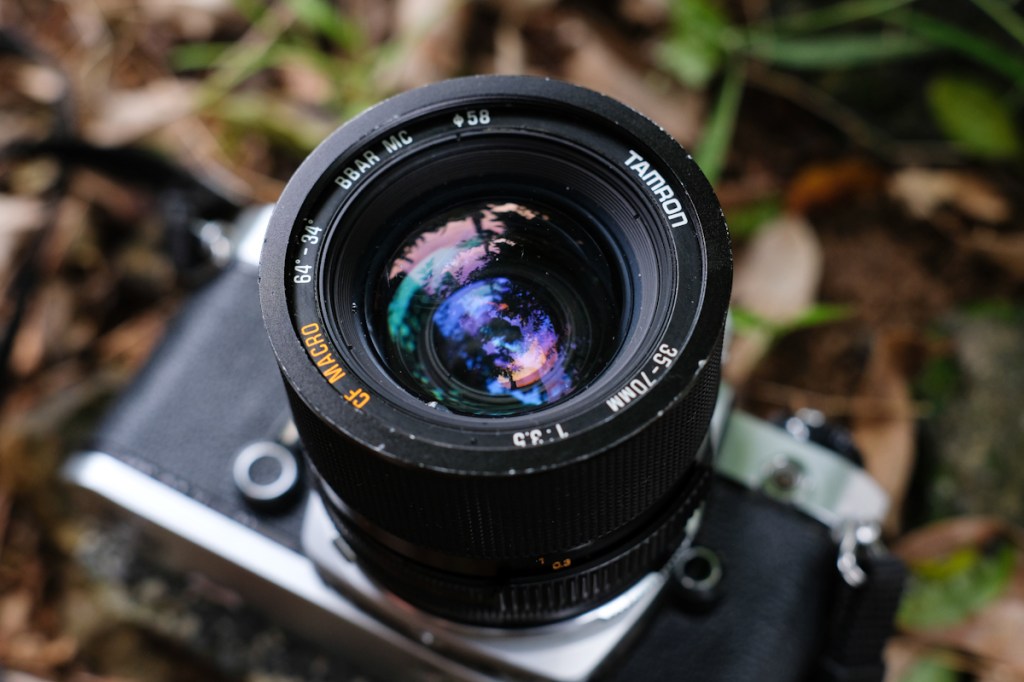
Since I’ve purchased the camera body only. I needed a new lens for it, I have a modern 50mm f1.8D lens that I use on my other Nikon film cameras, but most of my lenses are already a 50mm. I wanted something wide and versitle. First choice was the 28mm prime lens but those can be expensive. Eventually, I came accross the Tamron adaptall system and purchased the Tamron 35-70mm F3.5. If I thought the Nikon FM body is heavy enough already, the tamron lens weighs like a tank. Put both of them together and you’d have a good workout. But is it worth it? Yes.
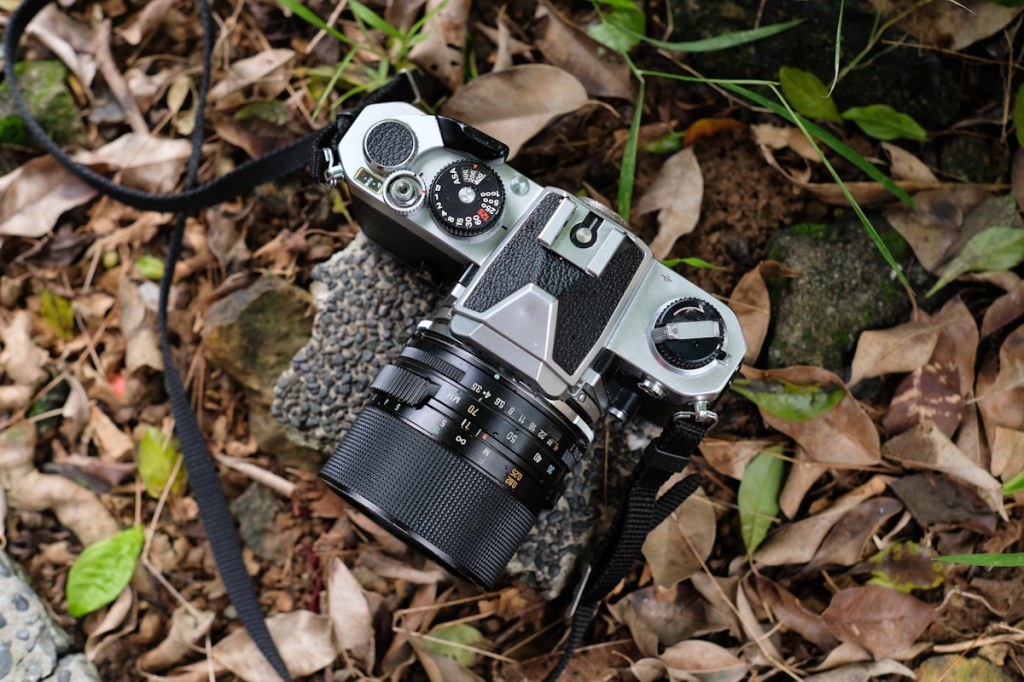
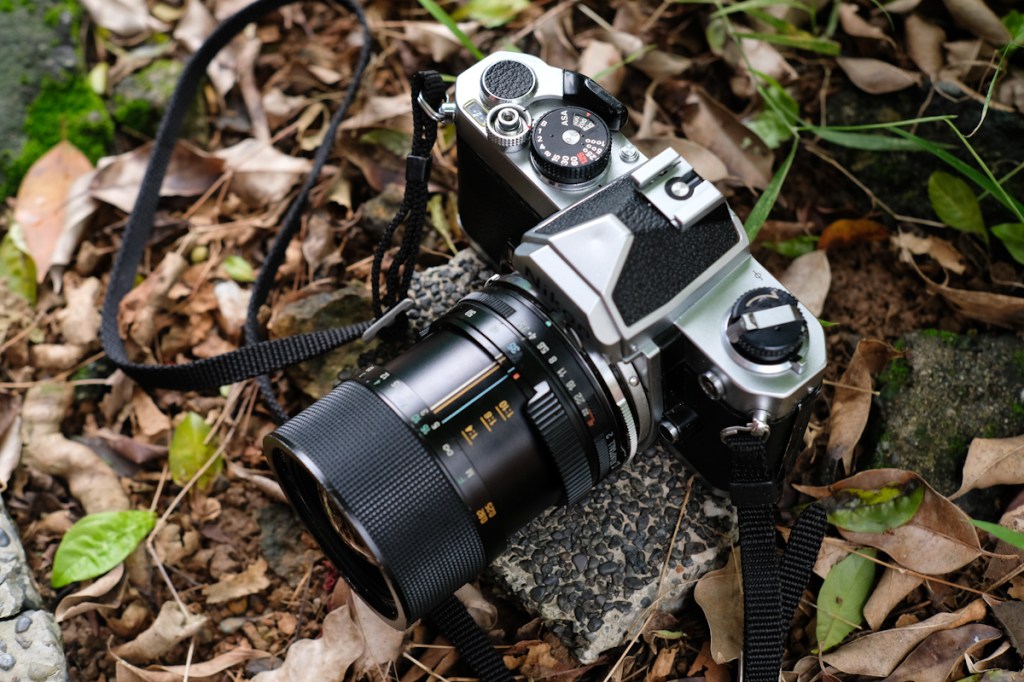
I never really used much zoom lens even on digital cameras, but the Tamron just made sense. The F3.5 aperture isn’t too bad either because you get a constant aperture through out the range. Also, nothing beats the versatility of a zoom lens. The Tamron is also built like a tank and has a good design aesthetic. I just wished the lens is in its collapse state at 35mm. Overall, it is a very capable lens that doesn’t break the bank.
Below are some photos taken on our recent family trip to Boracay, all shot in Fujicolor c200 film.








I really like how the Fujicolor 200 film renders the landscapes. As for portraits, I found that it renders the skin a bit too warm so I did a little adjustment in Lightroom. I would still need to shoot more of this film for me to better get the hang of it. I will write a full review of the Fujicolor 200 once my new stock arrives. As mentioned earlier, this is also where the Tamron 35-70mm came in handy, I can easily zoom out for landscapes and zoom in for portraits. The constant aperture of f3.5 is also a plus, but I did shoot mostly at f8 and f5.6.





Having shot digital for a long time, you can get used to the technology digital cameras have. For example, changing the ISO from 100 to 1600 in an instant when shooting from day to night. In film, you don’t have that luxury so I was kind of hesitant to shoot in low light especially since the Fujicolor is 200 ISO. A 400 ISO film would offer more flexibility when it comes to these scenarios. But still, I went ahead and shot some sunset/dusk photos with slow shutter speeds and they did come out okay.
As for the Nikon FM, it did perform wonderful and is a pleasure to use. I never once felt that it’s going to break on me. I even brave the camera in the shallow waters to take photos, a thing that I will never do on my digital cameras. I highly recommend getting a Nikon F/FM series of camera if you are looking for a realible film SLR.



Overall I am very happy with the camera and lens combination that I fear I might neglect my other film SLR cameras 😂 Prime lenses are still the best when it comes to compact and image quality, but If ever you’re struggling to find the best focal lenght for you, I highly recommended a zoom lens to figure out which focal length you use the most.
Again, thank you for reading my blog and please do share it if you find it useful. Also, follow me on my socials below. Salamat!

 King
King 